
EV Charging Stations
- Power Plants
- EV Charging Stations
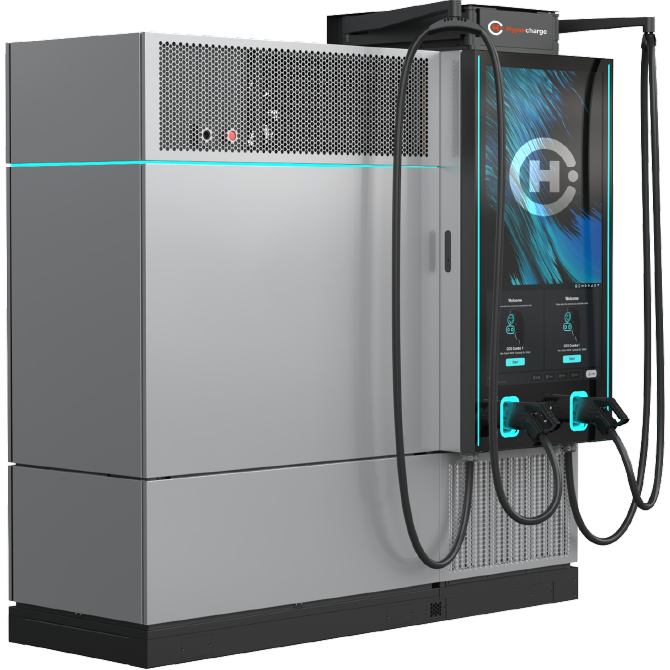
EV Charging Stations
An EV Charging Station is a facility or setup where electric vehicles (EVs) can be plugged in and charged. These stations provide a supply of electricity to recharge EV batteries, which can vary in charging speed and capabilities. EV chargers are categorized into different “levels” based on the speed and power at which they charge a vehicle.
How does an EV Charging Station work?
When an electric vehicle is plugged into an EV charging station, the station delivers electricity from the grid (or other sources, like solar power) to the vehicle’s battery. The charging station converts the AC (alternating current) electricity from the grid into DC (direct current) power, which the vehicle’s battery uses. The process is managed by a communication system between the vehicle and the charger to ensure safe and efficient charging.
Share This Project :
There are 2 main types of EV Charging Stations
EV Charger Level 2
Level 2 Chargers (240V):
Power: 3.3–19.2 kW (depending on the charger)
Speed: Faster than Level 1 (adds 10–60 miles of range per hour)
Typical Use: Home charging or public charging stations (often found at businesses, parking lots, or homes with a dedicated circuit).
Installation: Requires professional installation of a 240V outlet or a hard-wired unit. For home use,
EV Charger Level 3
Level 3 Chargers (DC Fast Chargers):
Power: 50 kW to 350 kW+
Speed: Very fast (can add 100–200 miles of range in 20–30 minutes)
Typical Use: Public charging stations, often located along highways or urban centers for fast recharging.
Installation: Requires significant infrastructure. These stations need to be connected to high-power sources (usually 480V or higher), and the cost of installation can be much higher than Level 1 or Level 2 stations. They also require a much larger physical space.
Difference Between Home vs. Commercial Installation
- Home Charging Stations:
Installation: Involves a dedicated 240V outlet (Level 2) or simply a 120V outlet (Level 1). A licensed electrician usually installs Level 2 charging stations, especially if it requires a dedicated circuit.
Cost: Level 1 is cheaper (since no special installation is needed), but Level 2 can be more expensive due to installation costs. The cost of the charger itself varies from $400–$1,000 for Level 2.
Speed: Home installations are generally used for overnight charging, and the speed of charging with Level 1 is much slower than Level 2.
Location: Often located in a garage or driveway. If it’s a detached home, the charger is usually installed on the side of the house or in a carport.
Commercial Charging Stations:
Installation: Can be much more complex, especially for Level 3 DC fast chargers. These require high-voltage infrastructure and potentially large transformer setups to support the power demand.
Cost: Level 3 chargers can cost $50,000 or more for installation. Public and commercial sites (like shopping malls, office complexes, or highway rest areas) may also have Level 2 chargers installed, but they typically have multiple units available.
Speed: Designed for people on the go. DC Fast Chargers are often used in high-traffic areas, offering very fast charging so that drivers don’t have to wait long. Level 2 chargers are also common in commercial setups for customers or employees who need to park for extended periods.
Location: Found in parking garages, shopping centers, workplaces, highway rest stops, etc.
Fleet EV Chargers
These are typically used for businesses that operate fleets of electric vehicles (e.g., delivery vehicles, company cars, buses). Fleet charging stations often use Level 2 or Level 3 chargers, depending on the needs of the fleet. The installation might involve multiple chargers to accommodate the number of vehicles, and infrastructure may be scaled to support high-power charging. Some fleet charging stations may even have dedicated systems to manage the charging time and costs based on the company’s usage patterns.
Key Differences Between Chargers:
| Feature | Level 1 | Level 2 | Level 3 |
|---|---|---|---|
| Voltage | 120V | 240V | 480V or higher (DC) |
| Charging Speed | Slow (3-5 miles/hour) | Moderate (10-60 miles/hour) | Fast (100-200 miles in 30 mins) |
| Installation | Simple (Standard Outlet) | Requires 240V Outlet & Installation | Complex Infrastructure & High Cost |
| Use Case | Home use | Home & Commercial | Commercial/Public Fast Charging |
Summary:
Level 1 chargers are slow but useful for light home use.
Level 2 chargers are faster and are ideal for home and commercial installations, allowing people to charge their EVs overnight or during business hours.
Level 3 chargers (DC fast chargers) are the fastest but come with high installation costs and infrastructure needs. They’re mostly used in public and commercial spaces.
For home installations, Level 2 chargers are typically the best choice, while commercial setups might include a mix of Level 2 and Level 3 chargers depending on their purpose and customer demand.
.