Solar Power Plant FAQ
- Home
- FAQ
FAQ
Solar Power Plant with Battery Storage
Development Timeline Overview
Total Development Time: 18–30 months from initial concept to commercial operation.
Comprehensive Insurance Protection
Property & Casualty
Covers physical damage to solar panels, inverters, and battery systems from equipment failure or accidents.
Natural Disaster Coverage
Protection against hurricanes, floods, hail, earthquakes, and other weather-related damage events.
Business Interruption
Compensates for lost revenue during repair periods or extended outages beyond normal operations.
Construction All-Risk
Covers risks during the construction phase including equipment damage, delays, and contractor liability.
Grid Connection Process
Technical Requirements
- Interconnection application submission
- Grid impact studies and analysis
- Substation and transformer installation
- Switchgear integration and protection systems
- Testing, commissioning, and grid code compliance
Financial & Technical Asset Protection
Performance Warranties
Solar panels: 20–25 years guaranteed performance
Battery systems: 8–15 years operational warranty
Protects against underperformance and equipment degradation
O&M Contracts
Professional operations and maintenance services
Preventive maintenance and rapid response repairs
Performance monitoring and optimization
EPC Guarantees
Engineering, procurement, and construction warranties
Performance guarantees and completion bonds
Risk transfer from investors to experienced contractors
Government & Regulatory Influence
Grid Access Laws
Regulations ensuring fair access to transmission infrastructure and standardized interconnection procedures for renewable energy projects.
Financial Incentives
Feed-in tariffs (FITs), investment tax credits (ITC), and production tax credits that improve project economics and returns.
Capacity Auctions
Competitive bidding processes for long-term power purchase agreements that provide revenue certainty for investors.
Environmental Regulations
Compliance requirements and environmental standards that ensure sustainable development while creating market opportunities.
EPC Company Role & Responsibilities
Engineering
System design, technical specifications, and optimization for maximum performance and efficiency.
Procurement
Sourcing high-quality equipment, materials, and components at competitive prices with reliable delivery.
Construction
Complete project build-out including installation, testing, and commissioning with performance guarantees.

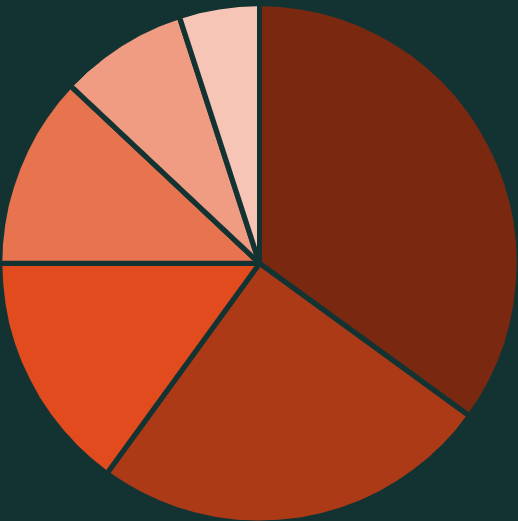
- Solar Panels
- Percentage Of Total Cost: 35%
- Battery Storage
- Percentage Of Total Cost: 25%
- Inverters
- Percentage Of Total Cost: 15%
- EPC Services
- Percentage Of Total Cost: 12%
- Grid Connection
- Percentage Of Total Cost: 08%
- Land & Other
- Percentage Of Total Cost: 05%
Investment Risks & Mitigation Strategies
Regulatory Risk
Changes in policies, tariffs, or grid access rules
Mitigation: Long-term PPAs, diversified markets, policy insurance
Offtaker Risk
Buyer credit risk or contract non-performance
Mitigation: Credit-worthy counterparties, guarantees, diversification
Technical Underperformance
Lower than expected energy production
Mitigation: Performance warranties, quality equipment, professional O&M
Market Risk
Electricity price volatility and market changes
Mitigation: Fixed-price contracts, hedging strategies, storage integration
Battery Storage Revenue Enhancement
Revenue Opportunities
- Time-shifting: Store energy during low prices, sell during peak demand
- Grid services: Frequency regulation and spinning reserves
- Curtailment reduction: Capture otherwise lost solar production
- Capacity payments: Revenue for providing reliable supply
Target Markets & Client Base
Utilities
Electric utilities seeking renewable capacity and grid stability services
Corporations
Large companies with sustainability goals and long-term energy needs
Industrial Facilities
Manufacturing and commercial operations requiring reliable, cost-effective power
Government Entities
Federal, state, and municipal agencies pursuing clean energy mandates
Investor Returns & Exit Strategies
Typical investor returns range from 8-15% IRR depending on project size, location, and financing structure.
Essential Technical Terms
MWp, MWac, MWdc
MWp: Maximum solar output under ideal conditions
MWac: Usable electricity delivered to grid
MWdc: Total DC capacity before conversion
PPA & EPC
Power Purchase Agreement: Long-term electricity sales contract
EPC: Engineering, Procurement, Construction contractor
BESS & Grid Services
Battery Energy Storage System: Stores excess solar energy
Ancillary Services: Grid-balancing frequency regulation
Grid Infrastructure
Transformers: Voltage conversion equipment
Substation: Grid connection facility
Switchgear: Circuit control and protection
Performance Metrics
Capacity Factor: Actual vs. potential output ratio
Curtailment: Grid-imposed production limits
Black Start: Grid restart capability