
EV Charging Stations FAQ
- Home
- FAQ
FAQ
Commercial EV Charging Stations FAQ Guide
Understanding EV Charging Levels
Level 2 Charging
- Adds 20–30 miles of range per hour
- Perfect for overnight charging
- Cost-effective solution
Level 3 (DC Fast)
- Adds 100–250 miles in under an hour
- High-traffic locations
- Premium charging experience
Fleet Charging
- Overnight or scheduled charging cycles
- Fleet management integration
- Scalable infrastructure
Installation Costs & Timeline
Investment Breakdown
01
Site Assessment
Electrical capacity evaluation
02
Permitting
Local approvals and utility coordination
03
Installation
Level 2: 1–3 days
Level 3: 2–6 weeks
Professional Installation Requirements
Licensed Electrician
Required for all electrical connections, panel upgrades, and safety certifications. Must be familiar with EV charging standards and local electrical codes.
Civil Contractors
May be needed for trenching, concrete work, utility upgrades, and site preparation, especially for Level 3 installations requiring significant infrastructure.
Permit Coordination
Professional handling of local permits, utility coordination, and inspection scheduling to ensure smooth project completion.
Seamless Property Integration
Wall-Mounted Options
Perfect for covered parking areas and garages. Saves space while providing convenient access for users.
Pedestal Installation
Freestanding units ideal for open parking lots. Weather-resistant and highly visible to attract customers.
Garage Integration
Seamlessly incorporated into existing parking structures with minimal disruption to current operations.
Revenue Generation Opportunities
Per-kWh Charging Fees
Direct revenue from energy consumption, typically ranging from $0.20-$0.60 per kWh depending on location and charging speed.
Session-Based Pricing
Time-based fees that encourage efficient use of charging stations while maximizing revenue during peak hours.
Subscription Plans
Monthly membership programs that provide steady recurring revenue and build customer loyalty.
Advertising Revenue
Digital displays on charging stations can generate additional income through targeted advertising to captive audiences.
Target Commercial Buyers

Municipalities & Government
Public agencies investing in EV infrastructure for government fleets and public charging networks to meet sustainability mandates.
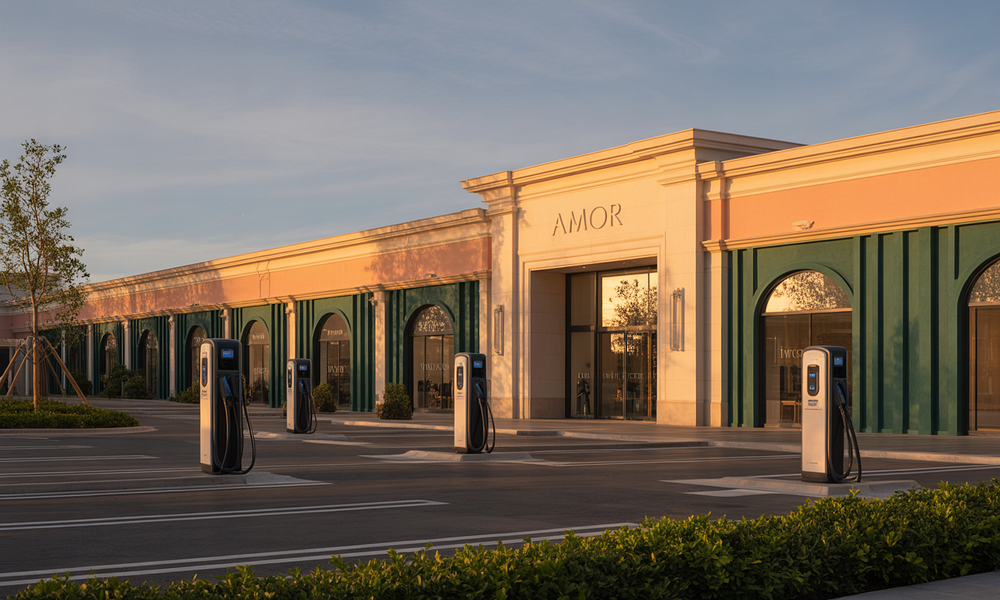
Retail Centers
Shopping centers and gas stations adding EV charging to attract customers and extend visit duration while they shop.

Multifamily Properties
Property owners providing charging amenities to attract and retain tenants in competitive rental markets.
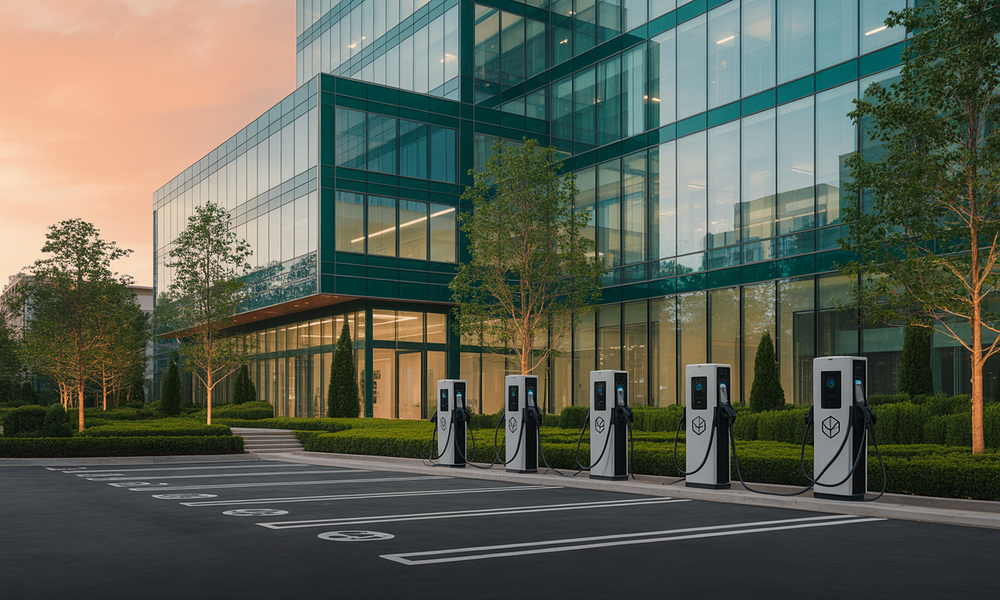
Corporate Campuses
Companies offering employee benefits while meeting corporate sustainability goals and ESG initiatives.
Business Benefits for Property Owners
Strategic Advantages
Investment Breakdown
Attract & Retain Customers
EV drivers actively seek locations with charging infrastructure
Increase Property Value
Modern amenities boost real estate valuations significantly
Generate Revenue Streams
Multiple monetization opportunities from charging services
Meet Sustainability Goals
Align with ESG initiatives and environmental commitments
Payment Processing & User Experience
Credit & Debit Cards
Mobile Wallets
RFID Cards
App-Based Payments
Branding & Marketing Opportunities
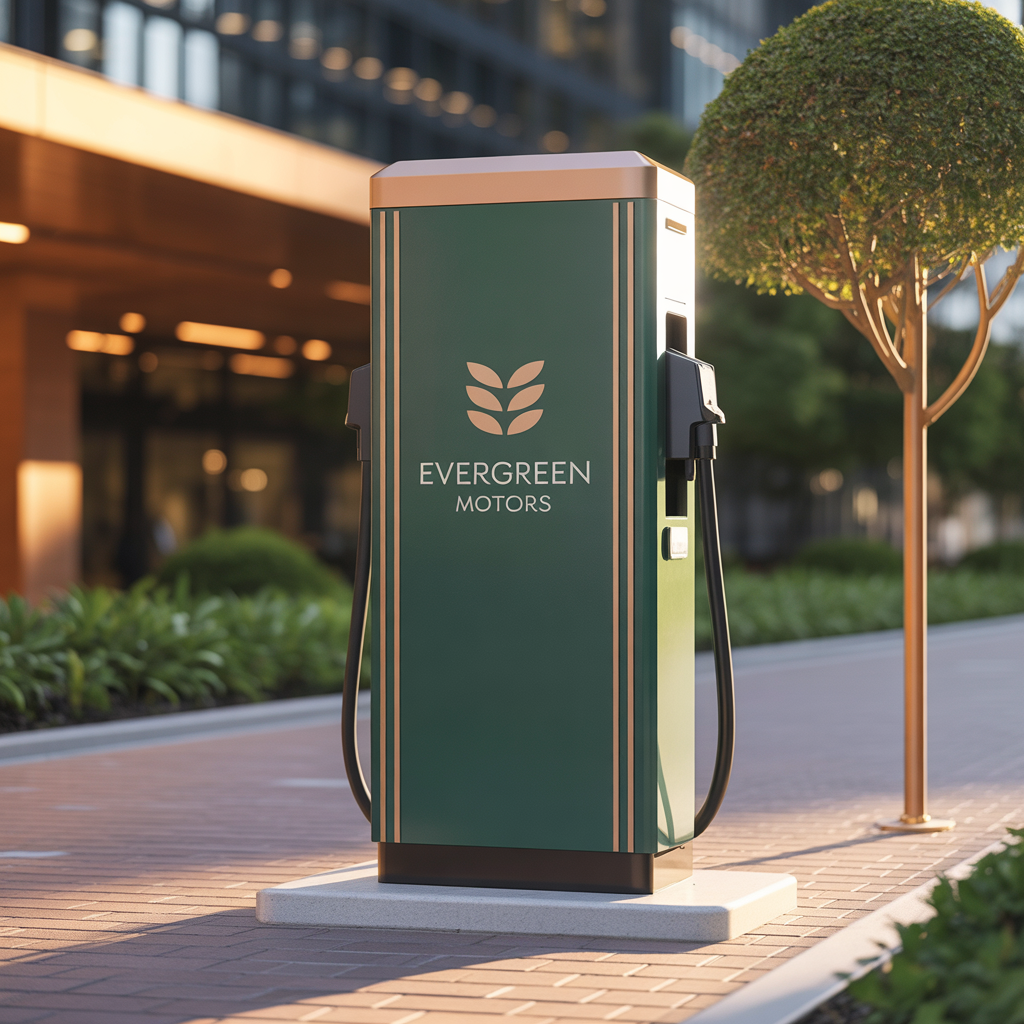
White-Label Customization
Digital Advertising Capabilities
- Custom logo and color schemes
- Branded charging cables and housings
- Digital display advertising space
- Mobile app co-branding options
Maintenance & Reliability
Routine Inspections
Required for all electrical connections, panel upgrades, and safety certifications. Must be familiar with EV charging standards and local electrical codes.
Remote Updates
Software updates and system monitoring are performed remotely, minimizing on-site maintenance requirements.
Cleaning & Upkeep
Occasional cleaning and signage maintenance keep stations looking professional and welcoming to users.
Durability & Security Features
Weather Resistance
Physical Security
Cybersecurity Protection
Electrical Requirements
Level 3: 480V three-phase service with higher capacity transformers. Professional site assessment ensures adequate grid capacity.